The Philosophy
दृष्टि
Jyotish as a Way of Seeing
Jyotish is traditionally regarded as one of the Vedangas — the limbs through which Vedic knowledge is approached — and is associated metaphorically with sight: the capacity to see. Kaal-Karmam therefore approaches Jyotish not primarily as prediction, but as Drishti.
Pillar I
प्रकृति
Know Your Nature
Who you are. What you may face.
A Kundali is approached primarily as a map answering two fundamental questions:
1.who are you?
2.what kind of terrain are you likely to encounter?
Different dimensions of Jyotish — Rashi, Lagna, planetary lordships, Nakshatras, Vargas, Dashas, transits, Jaimini principles and other classical tools — help illuminate different dimensions of these questions.
The purpose is not to reduce a human being to planetary placements. It is to develop a more coherent understanding of:
- Temperament
- Strengths
- Vulnerabilities
- Recurring patterns
- Relationships
- Profession
- Wealth
- Dharma
- Periods of expansion
- Periods of contraction
- Inner conflicts
- Spiritual tendencies
The chart is not the person. It is a map through which the person may understand the terrain.
Pillar II
प्रारब्ध & पुरुषार्थ
Fate Is the Terrain, Not the Destination
“Sita Haran is Prarabdha. Lanka Dahan is Purushartha.”
When fate meets free will.
Fate cannot be denied yet free will can never be taken away.
Drawing upon the Ramayana as a philosophical metaphor, Kaal-Karmam distinguishes between what arrives in life and what we do with what arrives.
Even Sri Rama could not prevent the circumstances that led to the abduction of Maa Janaki. The event became part of the terrain he had to confront.
But the destruction of Lanka, the defeat of Ravana and the restoration that followed required courage, intelligence, Dharma, allies, discipline and action.
Prarabdha determines what arrives.
Purushartha determines how you meet it.
The purpose of Jyotish is not to make someone terrified of Prarabdha. Nor is it to promise that fate can simply be purchased away. It is to illuminate the terrain sufficiently that Purushartha becomes more intelligent.
Your fate may describe the battle. It does not absolve you from fighting it.
The stars may sketch the terrain; only the will can walk the path.
Pillar III
आध्यात्मिक बल
Beyond the Chart the Eternal force
The planets used in Jyotish belong to an unimaginably larger cosmos. The solar system itself is only a minute part of the Milky Way; the Milky Way is one galaxy among an immense number within the observable universe.
Kaal-Karmam therefore refuses to treat planetary placements as though they represent the entirety of existence. There is a larger spiritual question:
What is the relationship between the Jataka and the Divine?
Kaal-Karmam holds that spiritual cultivation can profoundly influence how a person meets circumstances. This is offered as part of a traditional philosophical worldview, not as a scientific claim that spirituality overrides planetary configurations.
When Purushartha meets the eternal, something greater than effort begins.
The doer, the doing, and the Divine cease to stand apart.
A difficult chart does not eliminate courage.
A favourable chart does not eliminate foolishness.
A person with favourable circumstances can squander them. A person confronted with extraordinary adversity can display extraordinary spiritual and moral strength.
Illustrations from sacred literature
“In the story of Savitri and Satyavan, Savitri’s devotion and tapas become symbols of a spiritual will that refuses to surrender before death.”
“In the story of Markandeya, devotion to Shiva becomes an image of consciousness transcending the apparent limits imposed upon mortal life.”
Kaal-Karmam therefore sells no escape from karma. It encourages the cultivation of the person who must meet it.
THE PREMISE
The Forest and the Map
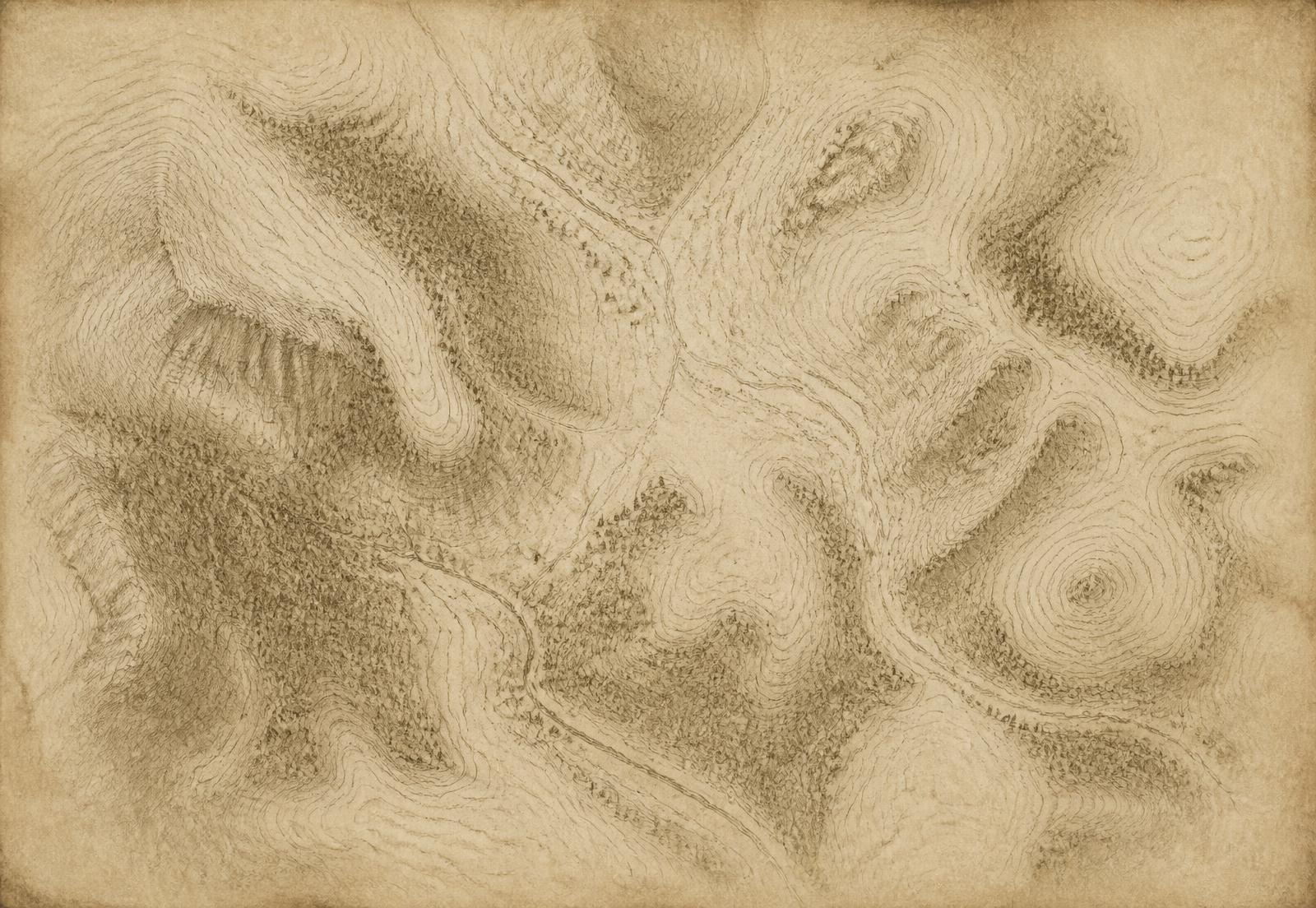
Life is a forest.
Jyotish is a map.
A forest contains many possible paths. One may lead toward difficulty. Another toward opportunity. Another toward unnecessary conflict. Another toward extraordinary growth.
A map does not walk the path for you.
It does not remove the mountain. It does not prevent the storm. It does not defeat the enemy.
It helps you understand where you stand. And perhaps, where you should place your next step.